

For decades, the story of Ogun West—home to the proud Yewa-Awori people—has been one of resilience, contribution, and quiet endurance. From the bustling border towns of Imeko and Ipokia to the industrious communities of Ado-Odo/Ota and Yewa North, the region has stood as a vital economic and cultural pillar of Ogun State. Yet, since the creation of Ogun State in 1976, one aspiration has remained painfully out of reach: the governorship seat.
Across archives of leading Nigerian publications—from The Punch to The Guardian and Daily Independent—a recurring theme echoes: Ogun West has long been politically marginalized despite its strategic importance. Analysts have often pointed to internal divisions, multiple candidacies, and a lack of coordinated political will as the Achilles’ heel of the region.
But history, it seems, may be turning.
On March 17, 2026, a quiet but profound shift took place—one that may ultimately define the political future of Ogun West.
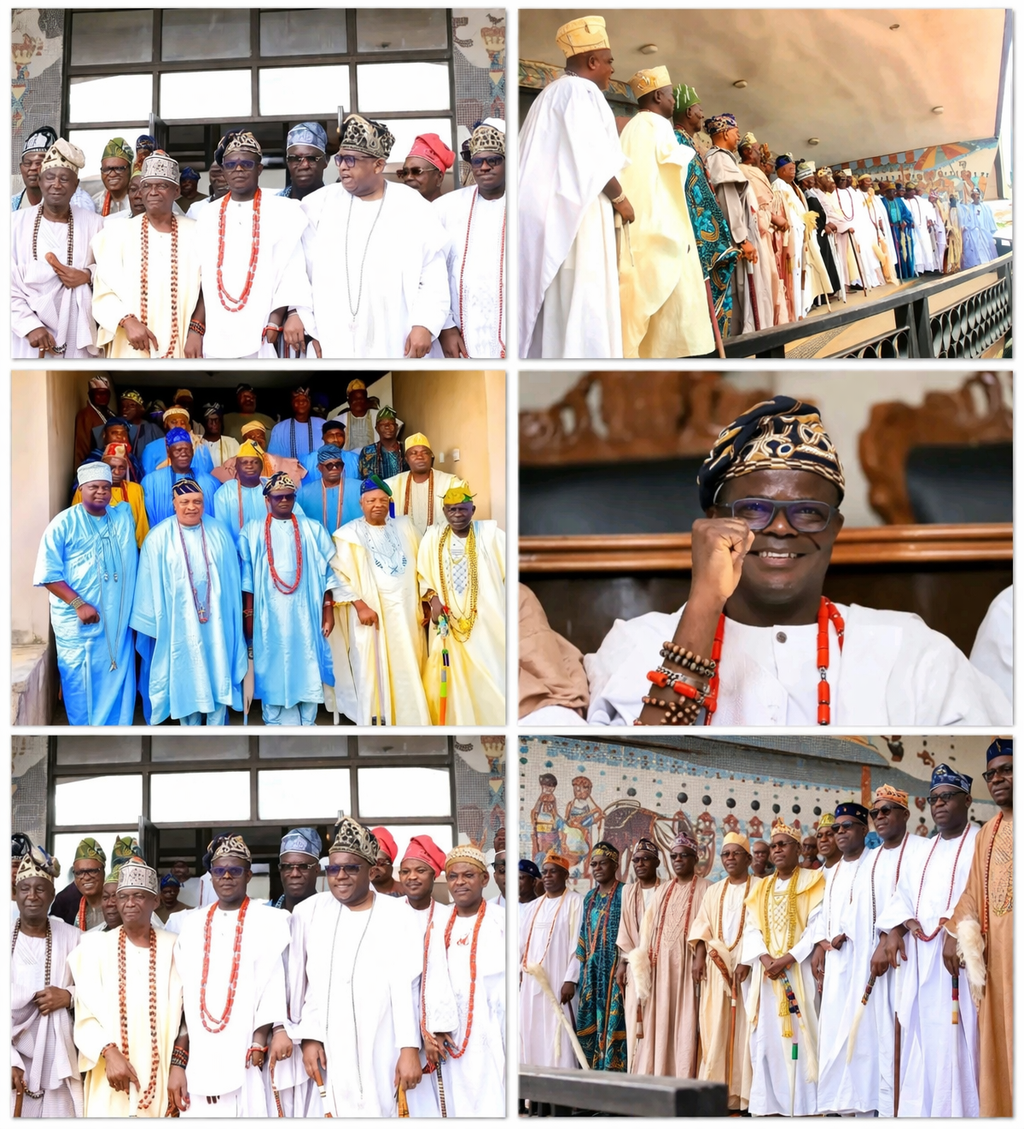
Led by Oba Kehinde Gbadewole Olugbenle, the Olu of Ilaro, Paramount Ruler of Yewaland and Chairman of the Ogun State Council of Obas, a delegation of Ogun West royal fathers embarked on a strategic mission. Their destination: the revered traditional institutions of Ijebuland and Remoland.
At the palace of the Awujale, they were received by over 40 monarchs under the leadership of Oba Lawrence Jaiyeoba Adebayo, representing the Ijebu Traditional Council. From there, the delegation moved to Remoland, where they were hosted by Oba Babatunde Adewale Ajayi and the council of Remo kings.
Behind closed doors, away from the public glare, a new narrative was being written.
For the Yewa-Awori people, this was not just another meeting—it was a symbolic break from the past.
Historically, Ogun West’s political ambition has been weakened by fragmentation. In previous election cycles, multiple aspirants emerged from the region, splitting votes and diluting influence. The consequence has been a cycle of near-misses and missed opportunities.
However, the outcome of these high-level consultations signals a decisive change.
The message is clear and unprecedented:
Ogun West will speak with one voice.
The royal consensus emphasizes support for a single candidate—one who embodies competence, credibility, proven service, and broad acceptability across Ogun State. This unified front is not merely strategic; it is transformative.
The implications of this development go far beyond politics.
Political Inclusion and Equity
For the first time in 50 years, Ogun West stands on the threshold of equitable representation. A governorship from the region would correct a longstanding imbalance and restore a sense of belonging among the Yewa-Awori people.
Accelerated Regional Development
Historical data shows that political power often influences development priorities. With leadership at the helm, Ogun West could witness increased investment in infrastructure, education, healthcare, and cross-border trade—areas where it holds natural advantage.
Economic Expansion
As a gateway to the Republic of Benin, Ogun West is strategically positioned for international commerce. A unified political voice could unlock policies that transform the region into a major economic hub in West Africa.
Cultural Renaissance
The involvement of traditional rulers underscores a deeper cultural awakening. It reflects a return to indigenous governance values—consensus, wisdom, and collective progress.
One of the most striking aspects of this movement is the central role of traditional rulers.
In Yoruba history, monarchs have always served as custodians of unity and moral authority. The leadership of Oba Olugbenle in rallying both Ogun West Obas and seeking alignment with Ijebu and Remo councils demonstrates a rare blend of diplomacy and foresight.
It also sends a powerful message:
This is not just a political project—it is a people’s movement.
As engagements deepen and political actors begin to align, Ogun West is entering a decisive phase.
The road to 2027 will require discipline, sacrifice, and unwavering commitment to the collective goal. But for the first time in decades, hope is no longer abstract—it is structured, deliberate, and within reach.
The March 17 meeting may one day be remembered as the moment when Ogun West chose unity over division, strategy over sentiment, and destiny over delay.
To the sons and daughters of Yewaland and Aworiland—at home and in the diaspora—the message is clear:
This is the time to rise above personal interests and embrace a shared vision. The dream of generations is knocking, and history is offering a rare second chance.
If unity is sustained, if leadership remains focused, and if the people stand together, then come 2027, Ogun West may finally write its name where it has long deserved to be,
At the helm of the Gateway State.
